

Group Culinary Innovation Manager
For foodservice operators, the challenge is no longer whether American food is popular it’s how to keep familiar dishes relevant in a rapidly changing market.
American cuisine in 2026 is defined by reinvention. While burgers, fried chicken, pizza and BBQ remain consumer favourites, expectations have evolved. Diners still crave comfort and familiarity, but they also seek premium ingredients, bold flavours, cultural authenticity and memorable dining experiences.
Drawing on insights from Trendhubs American Cuisine Trends Report, this article explores the biggest questions operators are asking and the trends shaping the future of American-inspired menus.
How Do You Make American Food Feel New Again?
Across the market, familiar formats are becoming platforms for innovation. Examples include:
- Cheeseburger dumplings
- Pizza bagels
- Nashville hot chicken nuggets
- Breakfast burgers
Premium comfort foods topped with luxury ingredients
These aren’t entirely new dishes; they’re recognisable favourites reimagined for today’s consumer.
Key takeaway: Innovation is most successful when it builds on familiarity. Small but distinctive twists often create greater consumer excitement than entirely new concepts
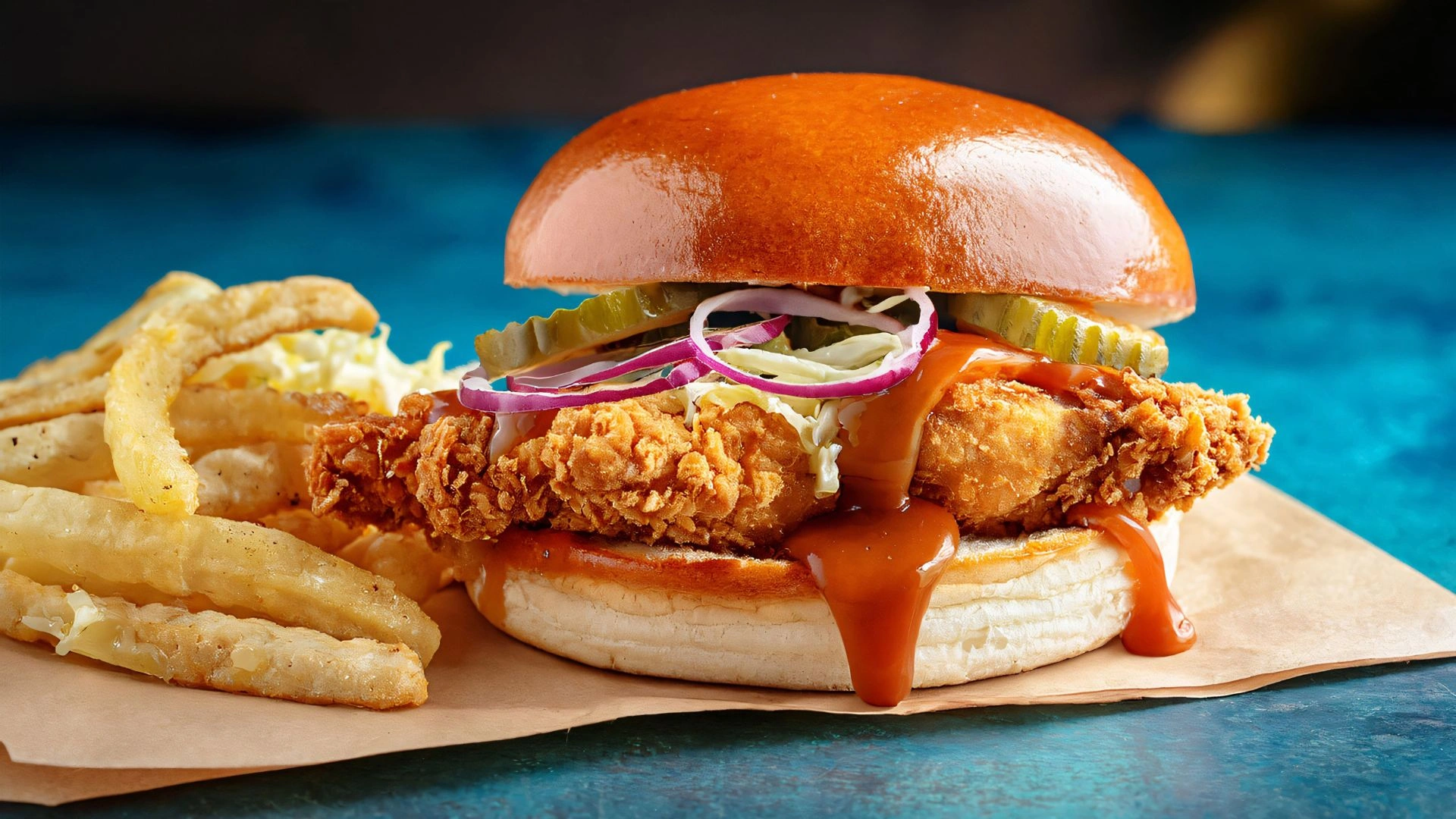
What Does American Cuisine Mean in 2026?
American cuisine can no longer be defined by burgers and BBQ alone.
Today’s American food culture reflects decades of immigration, regional diversity and culinary exchange. Chinese American, Italian American, Tex-Mex and countless other fusion cuisines have become authentic expressions of American food culture in their own way
For operators, this changes the conversation.
Instead of asking whether fusion belongs on the menu, the better question is:
How can global influences be used to create authentic American dining experiences?
Modern consumers increasingly embrace dishes that combine familiar American formats with international flavours and techniques.
Key takeaway: American cuisine’s greatest strength is its ability to evolve. Cultural fusion should be viewed as authenticity in action rather than a departure from tradition.
Why Is Nostalgia Still One of the Strongest Consumer Drivers?
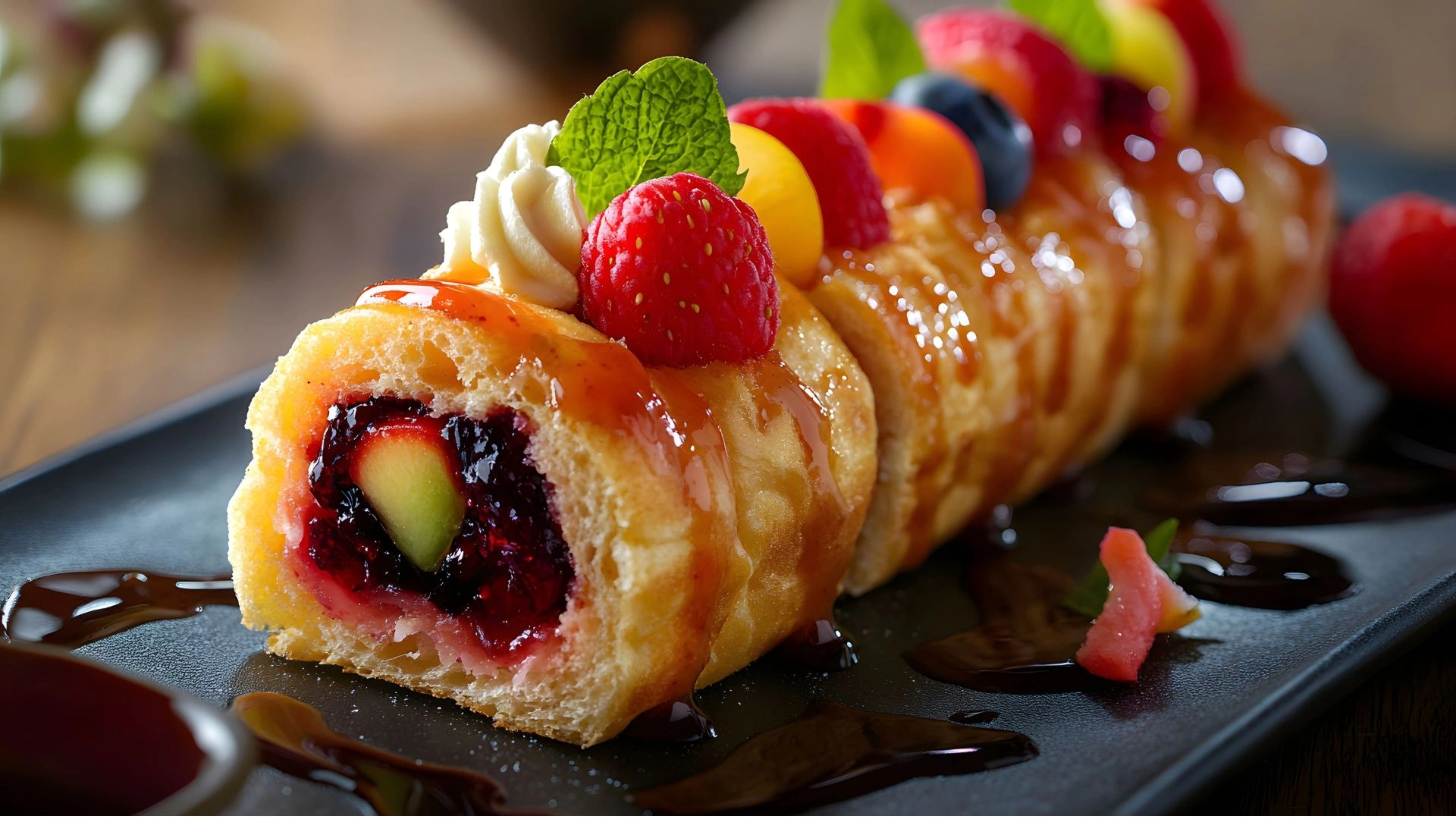
Consumers aren’t looking to relive the past exactly as they remember it. They’re looking to rediscover it.
This trend often referred to as newstalgia combines childhood favourites with contemporary presentation, premium ingredients and elevated execution.
Popular examples include:
- PB&J-inspired desserts
- Root beer floats
- Potato skins
- Jalapeño poppers
For international markets, nostalgia often comes through popular culture rather than personal experience. Films, television and social media have made many classic American foods instantly recognisable around the world, creating what could be described as “borrowed nostalgia”.
Key takeaway: Nostalgic dishes create emotional connections, while modern execution gives consumers a reason to order them again.
Which Regional American Cuisines Offer the Greatest Opportunity?
Consumers are increasingly moving beyond generic Americana in favour of dishes with stronger regional identity and storytelling.
Southern America
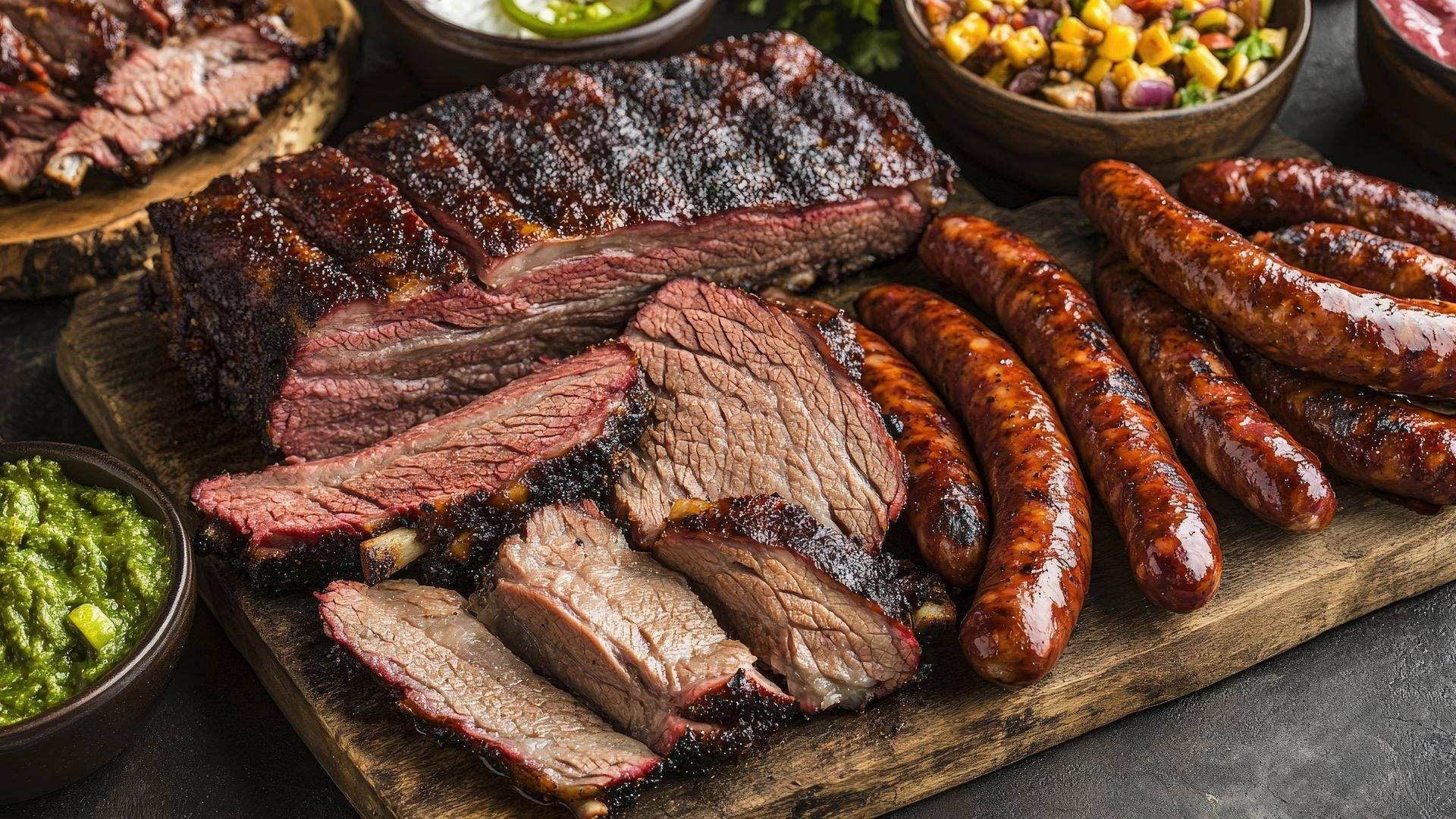
Southern cuisine continues to gain momentum through its combination of heritage, comfort and premium appeal.
Growth areas include:
- Biscuits
- Grits
- Catfish
- Seafood boils
- Regional barbecue traditions
These dishes offer authenticity while providing opportunities for premium ingredients and elevated presentation.
The Midwest
Although less widely explored, Midwestern cuisine presents significant opportunities for differentiation.
Emerging inspirations include:
- Chicago-style hot dogs
- Cincinnati chilli
- Potluck traditions
- Sweet-and-savoury comfort foods
Tex-Mex 2.0
Tex-Mex continues to evolve through higher-quality ingredients and more refined execution.
Premium tacos, loaded nachos and chef-led interpretations of crunchwraps demonstrate how familiar formats continue to evolve.
Key takeaway: Regional American cuisine gives operators richer stories to tell while helping menus stand apart from more generic American offerings.
How Can Operators Premiumise Comfort Food?
Consumers continue to seek indulgence, but increasingly expect higher quality alongside it.
Premiumisation doesn’t require reinventing comfort food it simply requires elevating it.
Examples include:
- Gourmet burgers
- Luxury hot dogs
- Gourmet macaroni cheese
- Steakhouse classics with contemporary presentation
- Caviar-topped chicken nuggets
The common thread is accessible luxury. Consumers want dishes that feel special without becoming inaccessible.
Key takeaway: Better ingredients, thoughtful presentation and compelling storytelling often justify premium pricing more effectively than complexity alone.
Is Snackification Changing Menu Strategy?
Yes, and it’s reshaping how consumers interact with menus throughout the day.
Traditional meal occasions continue to blur as consumers increasingly graze, snack and share food across multiple dayparts.
Growth opportunities include:
- Sliders
- Wings
- Loaded sandwiches
- Elevated bagels
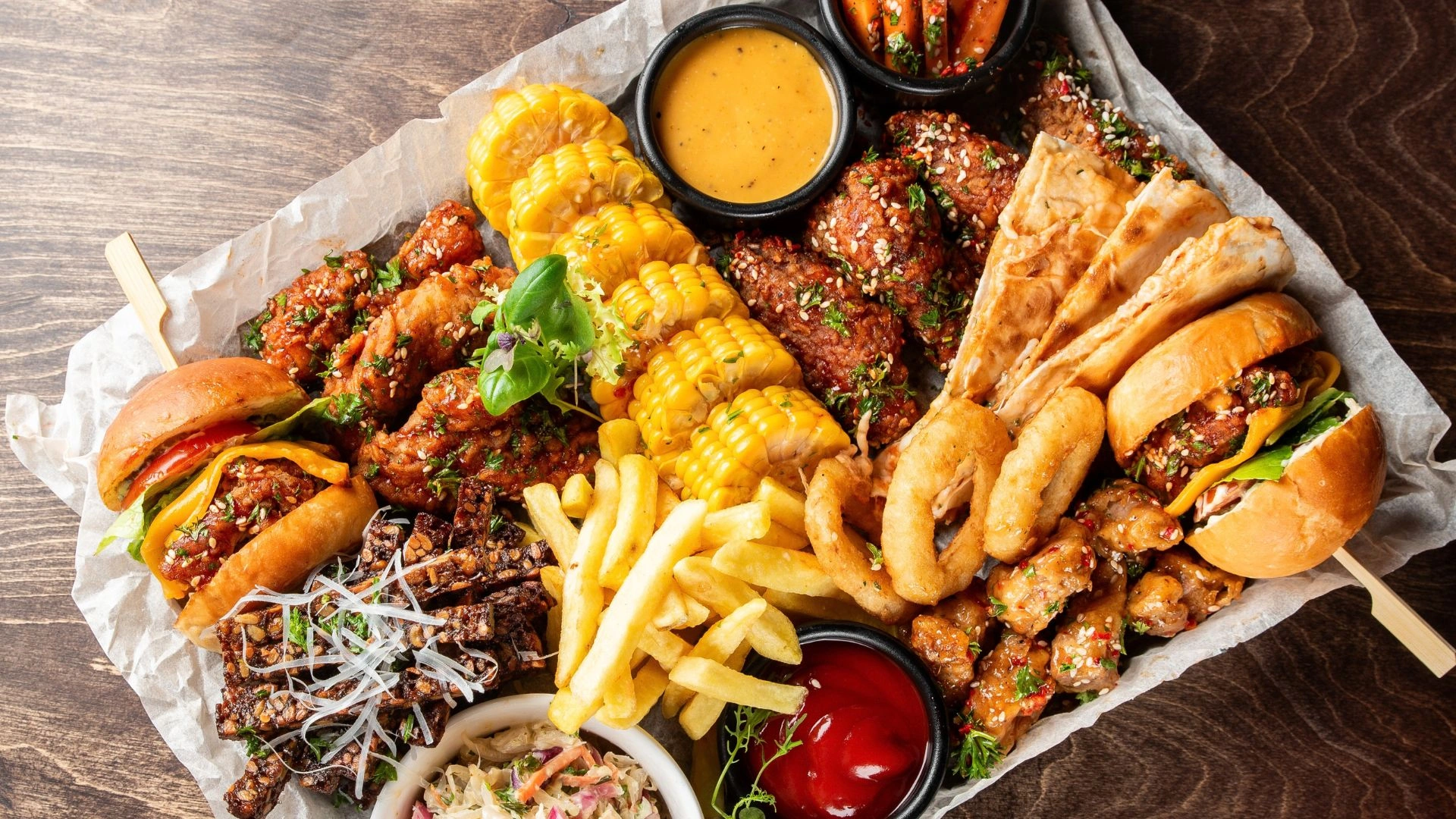
- Sharing boards
- Premium bar snacks
These formats combine convenience with indulgence while encouraging social dining.
Key takeaway: Build menus around flexibility. Foods that work across lunch, evening dining and sharing occasions create greater commercial opportunities.
Which Flavour Trends Are Driving Innovation?
Consumers increasingly seek flavour combinations that surprise without overwhelming.
Three major flavour movements stand out.
Swavoury
Sweet and savoury pairings continue to expand across menus.
Examples include:
- Hot honey
- Maple bacon
- Peanut butter and jelly combinations
- Sweet-and-salty desserts
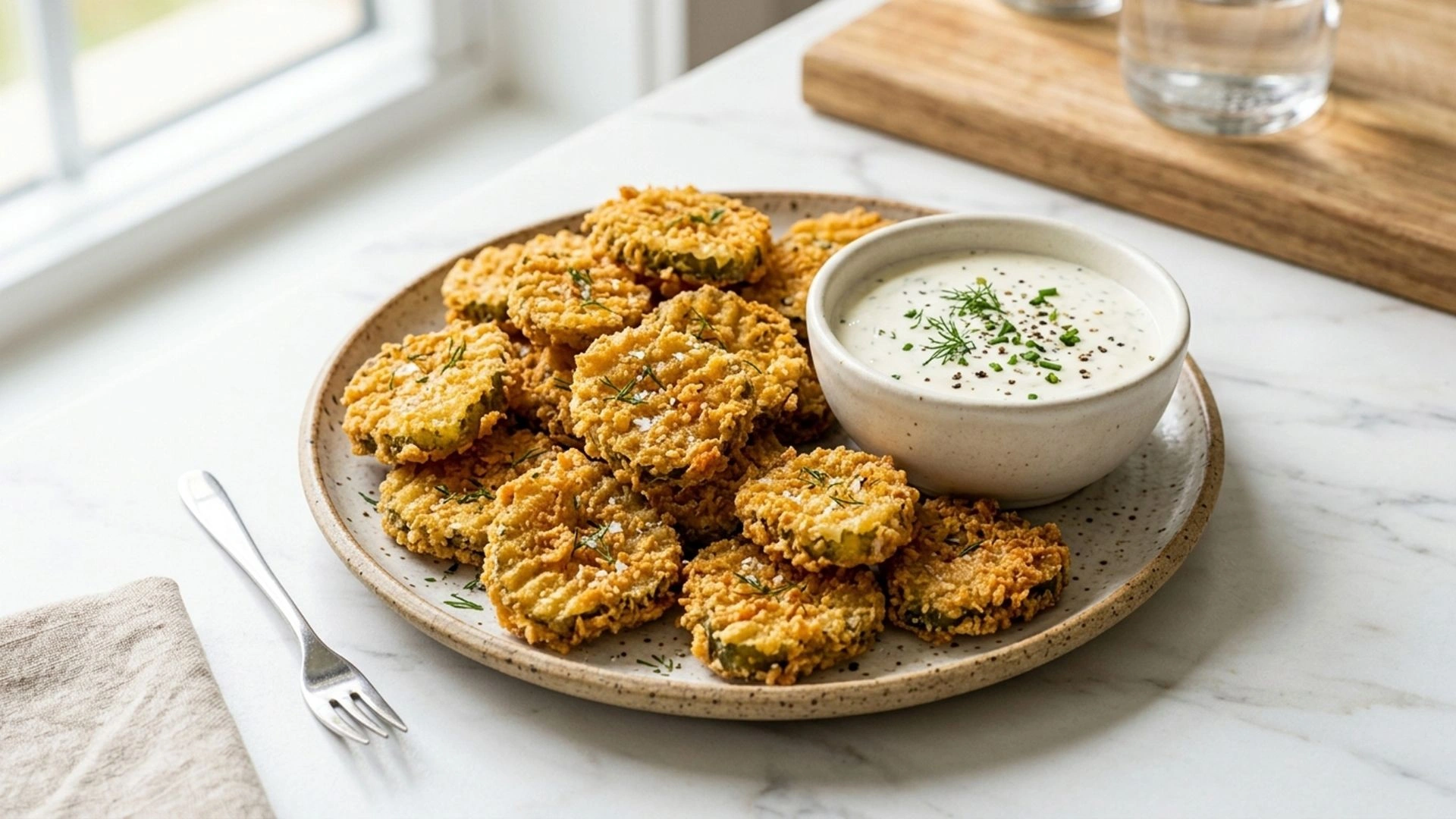
Pickle Everything
Pickle has evolved beyond a garnish into a flavour category of its own.
It now appears across:
- Fries
- Sauces
- Dips
- Snacks
- Drinks
- Dairy products
Balanced Heat
Consumers are moving beyond extreme spice towards more balanced, complex heat.
Ingredients such as chilli crisp, fermented hot sauces and hot honey demonstrate growing demand for flavour depth rather than intensity alone.
Key takeaway: The most successful flavour innovations combine contrast, complexity and familiarity.
What Should I Do Next?
The report highlights five strategic priorities for operators looking to capitalise on American cuisine in 2026.
1. Reinvent Familiar Favourites
Use classic American formats as platforms for innovation rather than replacing them.
2. Embrace Cultural Fusion
Treat global influences as part of modern American cuisine, not separate from it.
3. Premiumise with Purpose
Upgrade everyday comfort foods through better ingredients, stronger presentation and compelling storytelling.
4. Lean Into Nostalgia
Modern interpretations of familiar favourites create emotional connections while satisfying consumers’ desire for novelty.
5. Tell Regional Stories
Consumers increasingly value provenance, heritage and regional identity alongside flavour.
Frequently Asked Questions
What defines American cuisine in 2026?
American cuisine is defined by the reinvention of familiar dishes through cultural fusion, regional storytelling, premium ingredients and nostalgic influences.
What are the biggest American food trends?
Key trends include premium comfort food, newstalgia, snackification, regional American cuisine, flavour maximalism, dirty soda and elevated Tex-Mex.
Why is nostalgia important in American food?
Nostalgia creates emotional familiarity, making consumers more willing to try modern interpretations of classic dishes they already recognise and trust.
How can operators premiumise American menu items?
Focus on enhancing familiar dishes through ingredient quality, presentation, provenance and storytelling rather than making them more complex.
Conclusion
American cuisine has never stood still and that’s precisely what makes it one of the world’s most influential food cultures.
The defining challenge for foodservice operators is no longer whether consumers want burgers, fried chicken or BBQ. They do. The challenge is delivering those familiar favourites in ways that feel fresh, memorable and commercially relevant.
The strongest opportunities lie where comfort meets creativity: nostalgic dishes reimagined for modern tastes, regional stories that add authenticity, and premium touches that elevate everyday favourites without losing their broad appeal.
For operators, success in 2026 won’t come from abandoning the classics. It will come from giving consumers a compelling reason to rediscover them.
All insights gathered from TFP Trends, The Food People Trendhub.


